.jpeg "img-20160219-wa0022-(1).jpeg")
What are morels (or sponge mushrooms)?
The Morchella, commonly known as the morel, is considered the quintessential spring mushroom. It is highly valued both in Italian cuisine and in international gourmet cooking, thanks to the versatility of its flesh and its strong, unmistakable flavor.
All species belonging to the Morchella genus are classified as edible, provided they are well cooked, and have a unique morphology: a cap with a honeycombed surface, similar to a sponge, and a completely hollow interior.
From a microscopic point of view, the different species of morels are very similar to each other, particularly regarding the shape and structure of the spores. The differences that allow one species to be distinguished from another are mainly based on macroscopic aspects visible to the naked eye, such as color, shape, growth habitat, and characteristics of the cap.
These mushrooms typically develop in spring and prefer humid woodland environments or soils rich in organic matter (often along waterways or in areas affected by forest fires).

Cap: tall, from 2 to 10 cm, has a conical or oval shape and features a honeycomb-like surface, formed by deep and irregular pits. The color ranges from yellow-brownish to dark brown, depending on the species and stage of maturity.
Stipe: white or cream, rough and hollow inside, often lighter than the cap. Generally cylindrical, but may be slightly swollen at the base.
Flesh: thin, fragile, and completely cavernous inside, both in the cap and the stipe. The smell is delicate, pleasantly mushroomy, and the taste (after cooking) is aromatic and slightly nutty.
Spores: yellow-ochre in color, elliptical and smooth, observable only under a microscope.
Habitat: often grow at the edges of coniferous forests, near fir woods.
Soil: grows in humid areas, near watercourses and soils rich in humus.
Growth: Single or in small groups of nearby specimens
When do morels grow?
Morels appear in the months of March, April, and May, especially in wooded areas or at the edges of damp meadows near watercourses, often after spring rains.
They grow spontaneously in nature, but some varieties are now, thanks to recent scientific discoveries, also cultivated in greenhouses for gastronomic use.
The cultivation of morels
In recent years, significant progress has been made in the cultivation of morels, particularly the species Morchella esculenta and Morchella conica. These developments have made it possible to cultivate them in greenhouses on a commercial scale, especially in Asia, thanks to the pioneering research of Professor Daniel J. Ower, an American mycologist.
He was the first to successfully document the fruiting of morels in a controlled environment, paving the way for the artificial cultivation of these mushrooms, which until then was considered impossible.
However, it is important to emphasize that morels remain among the most complex mushrooms to cultivate. They require very specific environmental conditions, and the waiting time for fruiting can exceed a year, making production uncertain and reserved for experienced growers.
Currently, China is the world's leading producer of cultivated morels, with thousands of hectares dedicated to this production and numerous patents registered on innovative substrates and cultivation protocols. Chinese agronomic institutes have perfected the original methods, making cultivation more stable and profitable.
Morels: are they safe to eat?
Yes, but it is essential to cook them!!
Morels contain elvellic acid, a heat-sensitive toxin that must be eliminated to ensure food safety and prevent gastrointestinal issues. Cooking must be suitable and adequate for this purpose. At least 15-20 minutes are recommended to achieve even cooking.
Once cooked, they are safe for your health and absolutely delicious.
The Morellinic syndrome
If raw or undercooked morels are consumed, within a short time (sometimes even 15 minutes is enough) or between 6 and 20 hours after ingestion, gastrointestinal disorders such as nausea, vomiting, and diarrhea may occur. However, there are cases in which more severe symptoms may appear, such as dizziness, blurred vision, and balance problems.
In 2010, a study by the expert from the Toxicovigilance center at Michallon Hospital in Grenoble, Philipe Saviuc, and his collaborators (Saviuc & al. 2010; Sitta & al. 2020) was published regarding the symptoms (dizziness, tremors, ataxia, visual disturbances, headache) of a neurological syndrome that appeared in patients (53 cases) who consumed significant amounts of morel mushrooms or who ate them in several consecutive meals. This study scientifically confirms the statements of the French botanist and mycologist Casimir Roumeguère, who as early as 1889 linked this neurological syndrome to the quantities of morel mushrooms consumed.
How are morels cooked?
Morels have a unique texture and an intense flavor reminiscent of hazelnut, and they are featured in numerous recipes, especially after drying or cooking in creamy preparations.
There are many recipes in which morels are the main ingredient; this prized mushroom can be used in risottos and first courses, sautéed in a pan as a side dish, or, thanks to their morphological characteristics (they have a hollow shape), they are easy to stuff with mousses or fondues.
At home, we often cook them with pork fillet and cream, a real delicacy.
Morels, especially the dried ones, release a gray coloration during cooking.

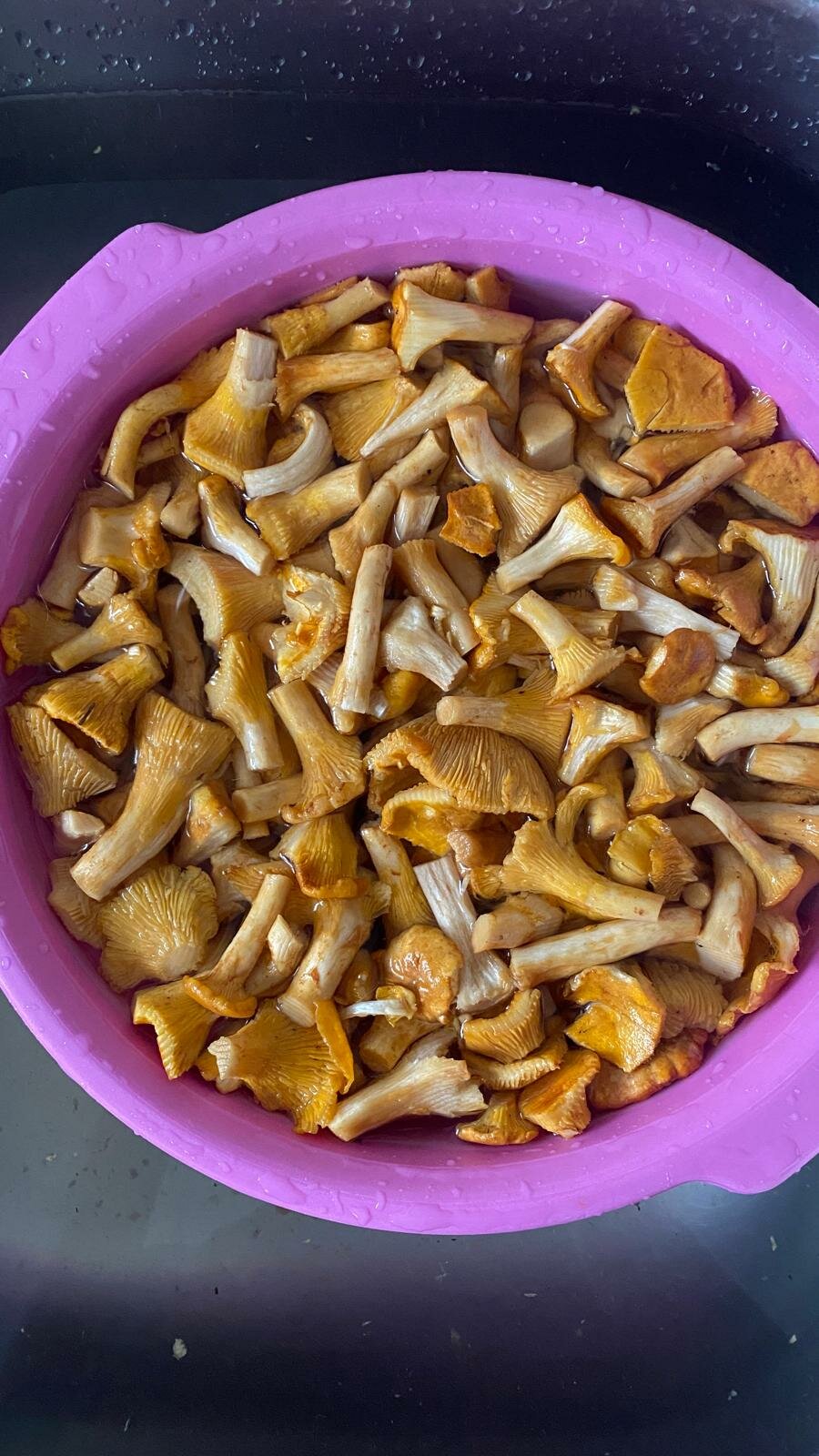
Tip for fresh morels: before cooking, it is advisable to soak them in cold water to remove any soil or insects from the pores of the cap. (I recommend cutting them in half because there may be forest debris or insects in the hollow body unless you want to stuff them, in which case, you will need to wash each one carefully, paying close attention)

Dried, morels retain all their aroma and can be rehydrated when needed
Tip for dried morels: to rehydrate them, we recommend soaking them in milk overnight. The milk will not only rehydrate them but also lighten them.
CLICK HERE TO BUY THEM IN THE NESPOLI FUNGHI ONLINE STORE
IMPORTANT: As already recommended for any rehydration liquid (even water), the milk should be discarded as it will most likely contain soil, sand, and forest residue.
Curiosities about morels
In France they are called “morilles” and are a must of haute cuisine, in some areas of Italy they are called “marzaiuole”, specifically referring to the month they grow, March.
Morels in your kitchen
If you are a mushroom enthusiast, morels are a precious discovery, to be tried at least once in your life.
They are particular mushrooms, to be consumed with care, but capable of offering unique gastronomic experiences. They are not available all year round: their presence is linked to spring and for this reason they are highly sought after by connoisseurs.
In our shop, fresh morels are available exclusively by reservation, to ensure the shortest possible time from harvest to consumption. A seasonal product, rare and appreciated by those who know how to recognize excellence.
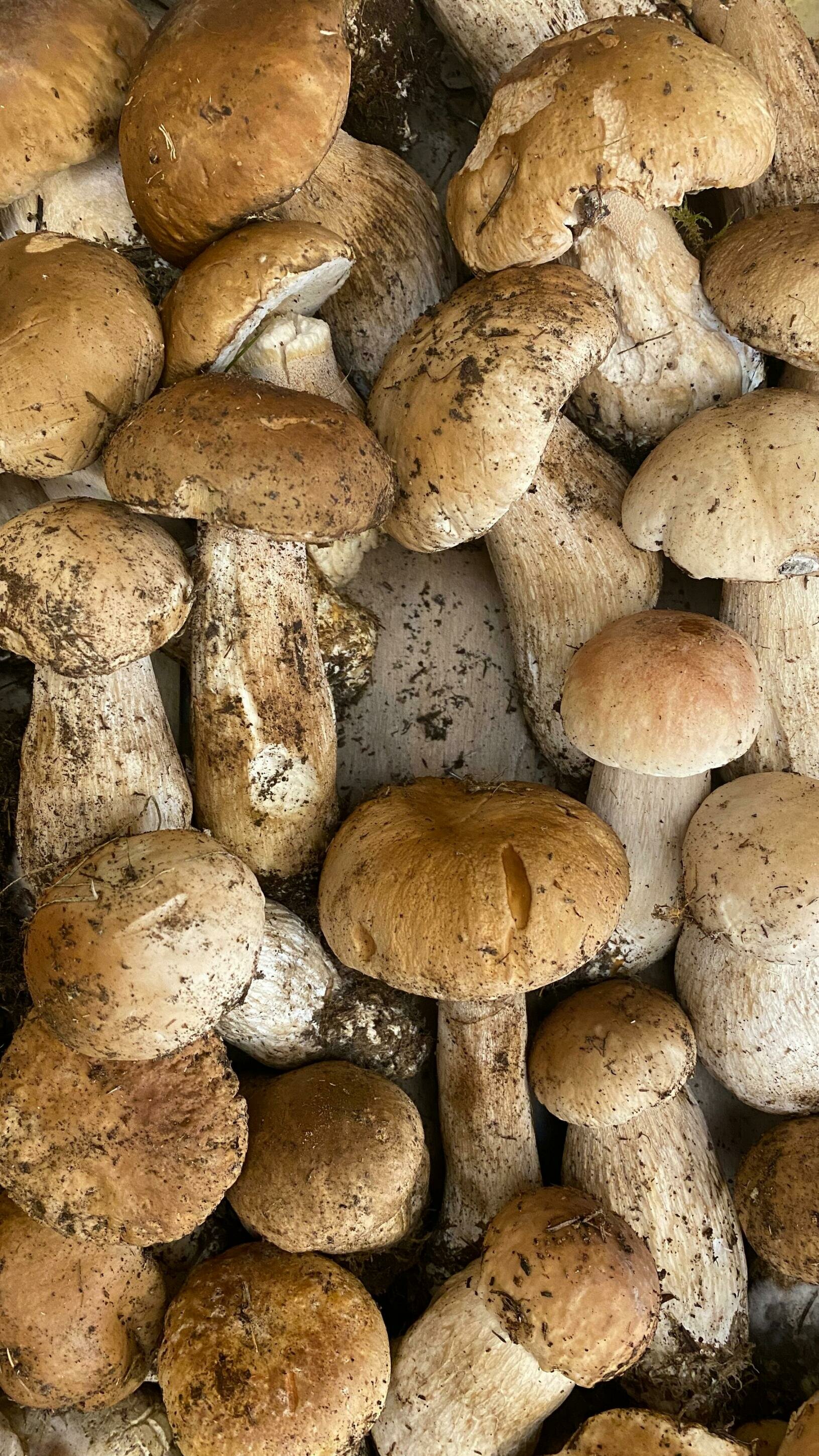
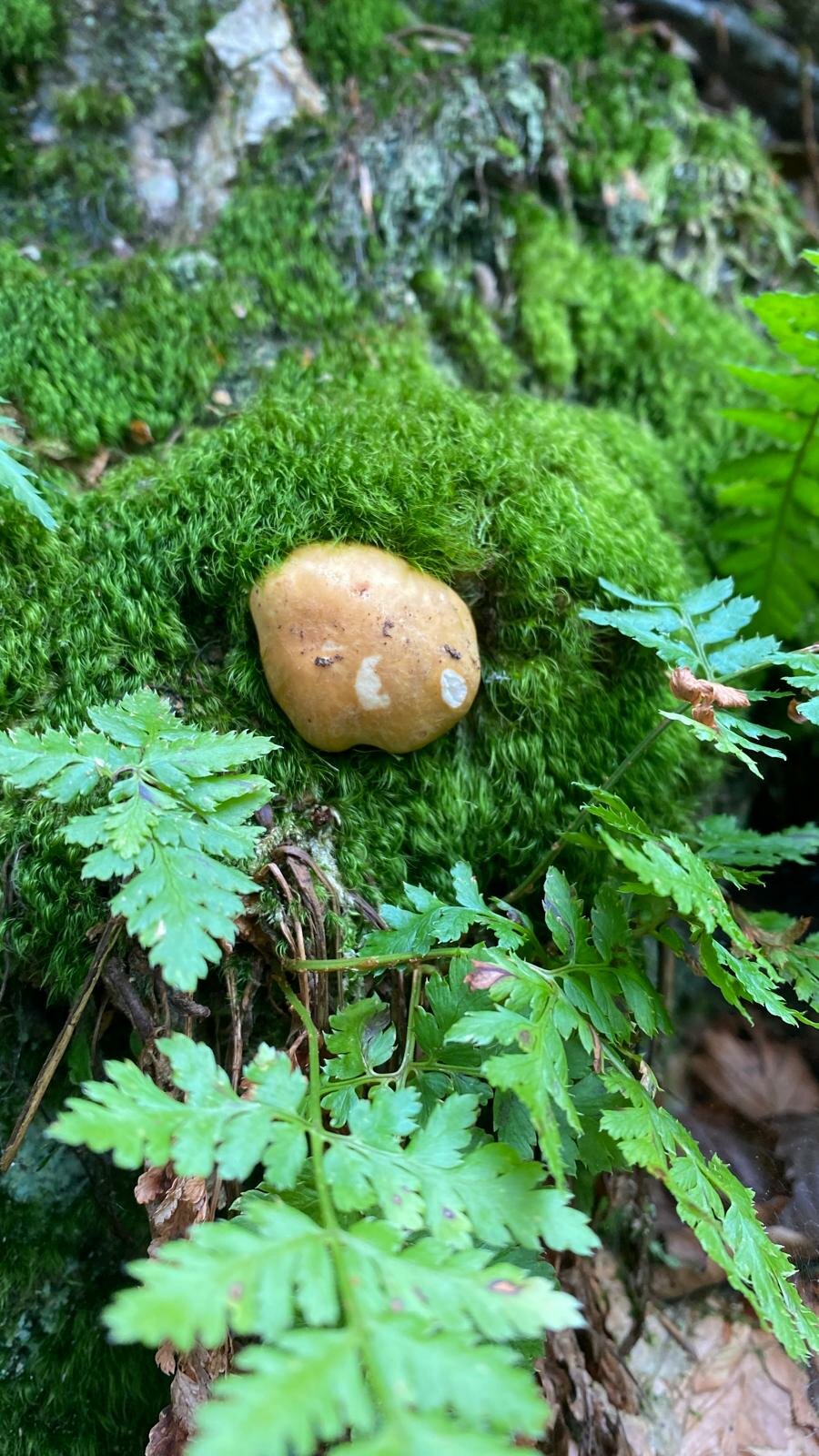
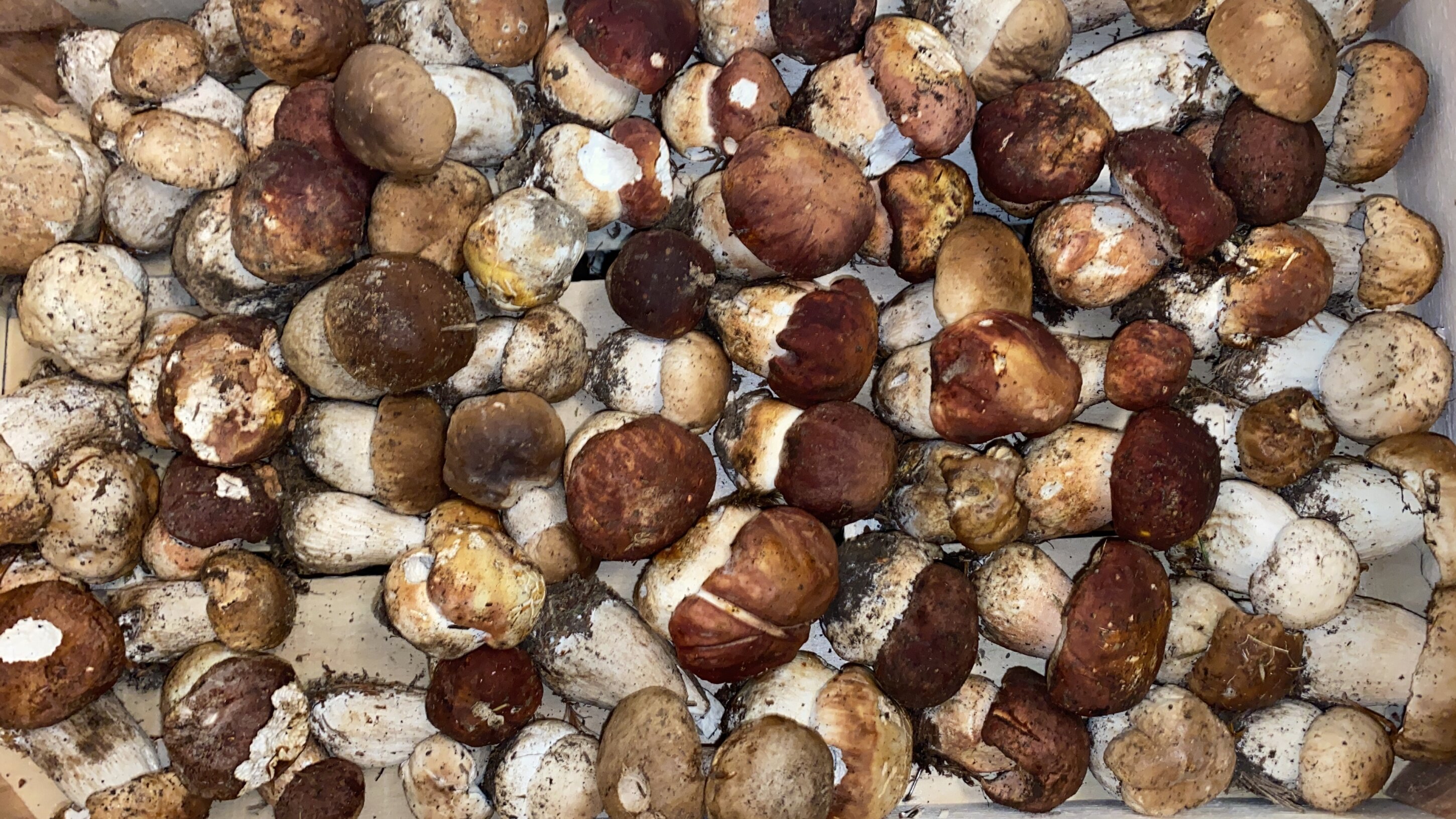
The images related to the collection (in the basket) and the specimens in nature were taken by Maurizio, an expert mycologist, colleague and friend because unfortunately, in my life (so far), I have never had the chance to find them. But I won't give up, I'm studying the area and... I just need to get organized :)
The morels in the crate are from spring 2024.
For further study we recommend:
- National library of medicine - Can morels (Morchella sp.) induce a toxic neurological syndrome for reading the abstract related to the specific data.
- and for researchers and/or scholars, Researchgate - Can morels (Morchella sp.) induce a toxic neurological syndrome to consult the full text.