.jpeg "whatsapp-image-2024-08-09-at-08.47.18(1).jpeg")
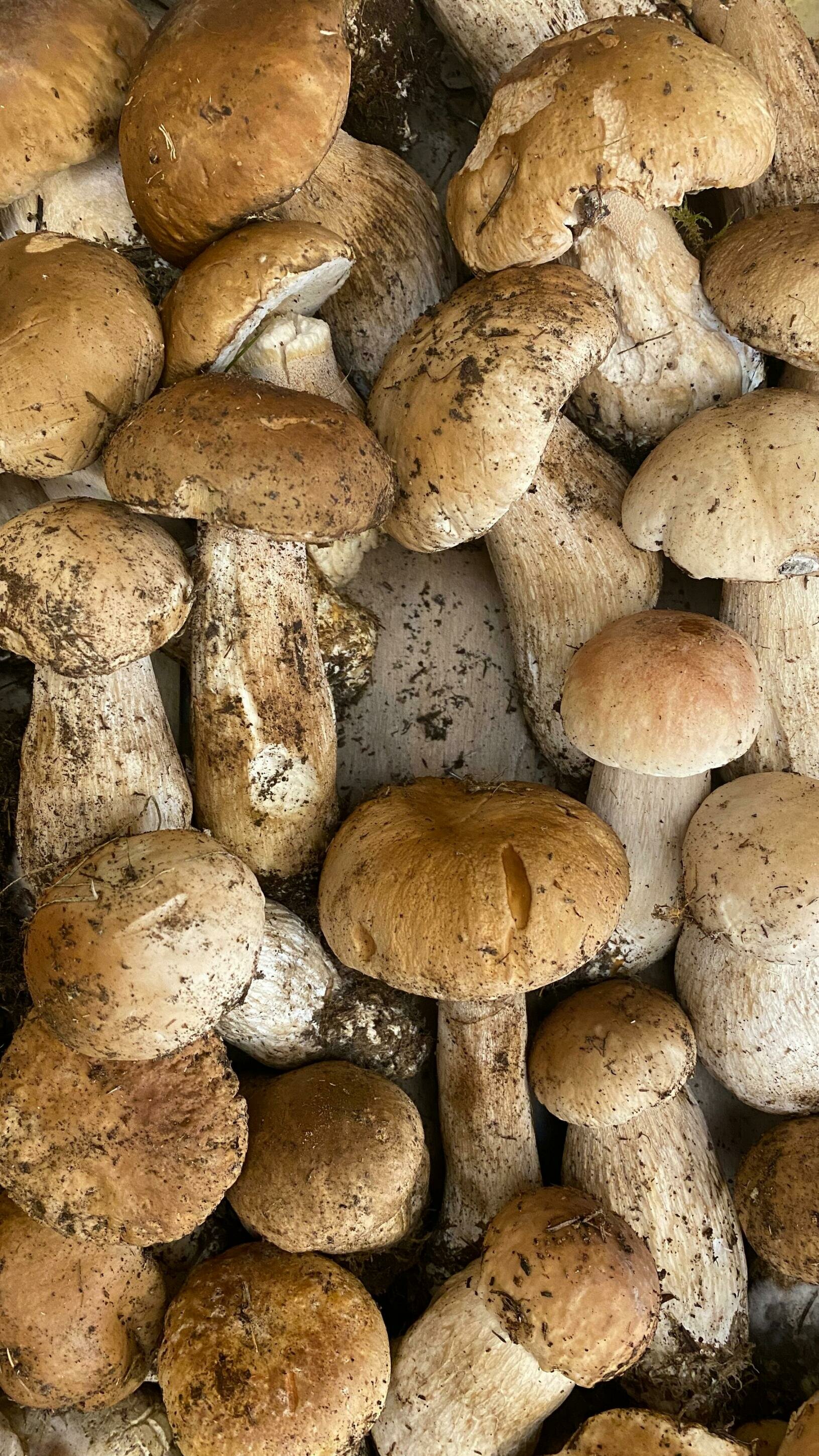
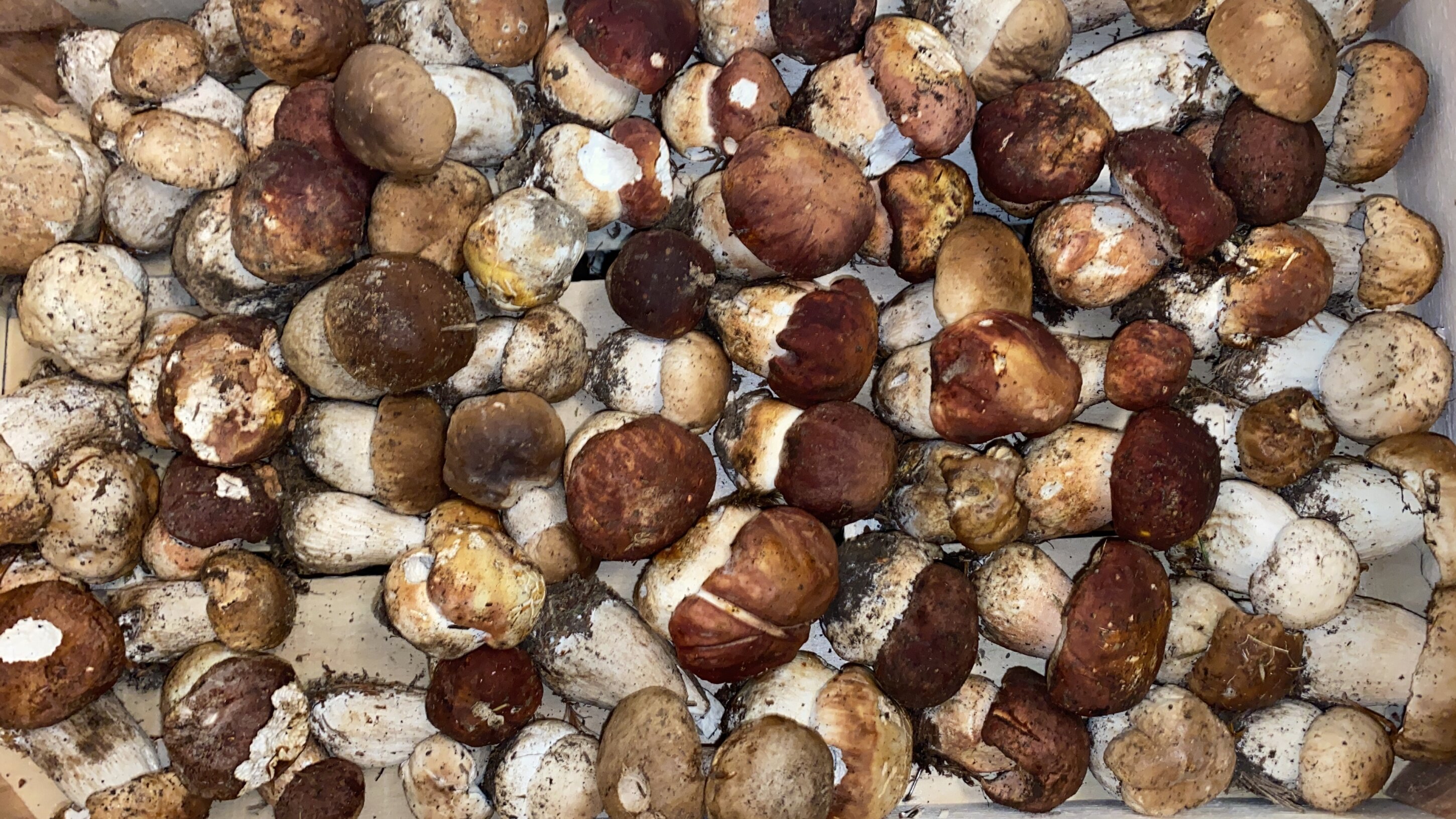
Fresh porcini mushrooms are an excellent presence in the kitchen. However, they are very delicate and spoil quickly.
Proper storage allows you to keep them fragrant and tasty for a few more days.
1. No plastic, only paper
When you buy fresh porcini mushrooms from us, Nespoli funghi, we place them in a paper bag and only afterwards in a biodegradable shopper.
Once at home, remove the porcini from the shopper bag and, leaving them in the bag we provided or possibly in a container (bowl), place them on the top shelf of the refrigerator, where there is less humidity.
If you buy them in a supermarket we supply, the fresh mushrooms will be packaged in a plastic food tray and covered with a food-safe film. Remove them from the packaging as soon as possible and always place them in a paper bag or in a salad bowl in the refrigerator (preferably at the top).
NOTE: mushrooms purchased should be cleaned and the soil removed only when you start the cooking process, never clean them beforehand because the soil residue on the stem acts as a temperature regulator for the mushroom.
2. How long do fresh porcini mushrooms last?
It is best to consume them within 2 maximum 3 days of purchase.
Fresh porcini are very delicate; in our cold storage they keep better only because it contains only mushrooms, but at home, near other foods, they ripen more quickly.
The presence of fruit, vegetables, and cheese tends to speed up the natural degradation process. In fact, they may become less firm, may change color taking on a darker hue, and at the last stage, develop unpleasant odors.
IMPORTANT:
- During the season, it happens that we put fresh mushrooms on sale at very, very low prices, 5 euros for example; in this case, the mushrooms should be cleaned immediately. These are the less fresh specimens that definitely require more attention and, as stated at the time of sale, will need more care.
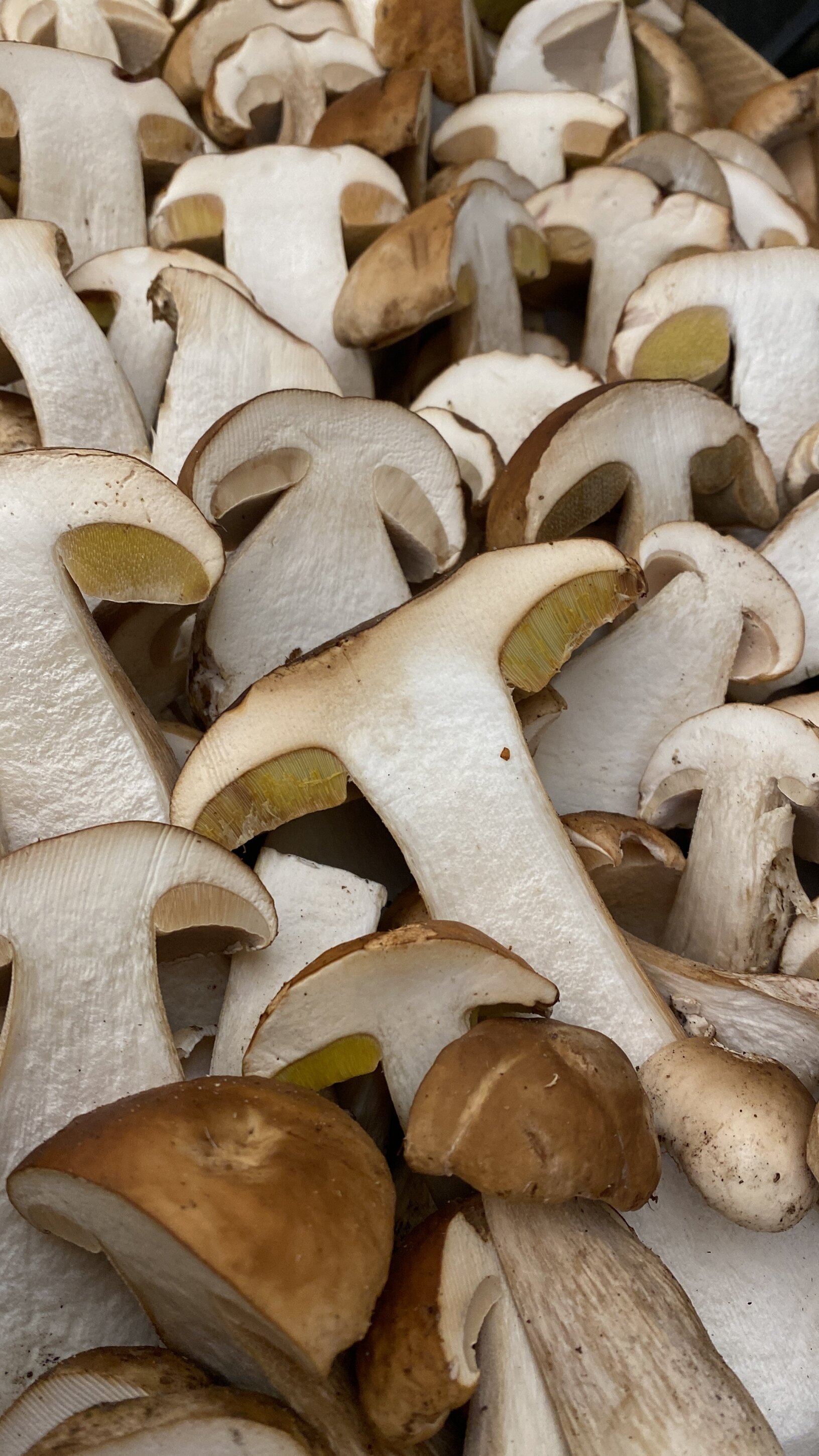
- If you buy fresh porcini mushrooms from us already cleaned or cut in half, the advice I can give you is to consider a shorter storage time. Mushrooms that have been cleaned of soil and cut in half tend to spoil sooner.
3. Why don't mushrooms smell in the refrigerator?
Porcini mushrooms, when kept at the optimal temperature for their preservation, close their pores and tend to become odorless.
NOTE WELL odorless but only temporarily until they are cooked or brought back to room temperature (which should be avoided because it speeds up the ripening process, basically they spoil faster)
The same thing will happen during washing but for a specific explanation I recommend reading the article about how mushrooms should be cleaned, each type of mushroom will have its own related article.
4. Can they be frozen?
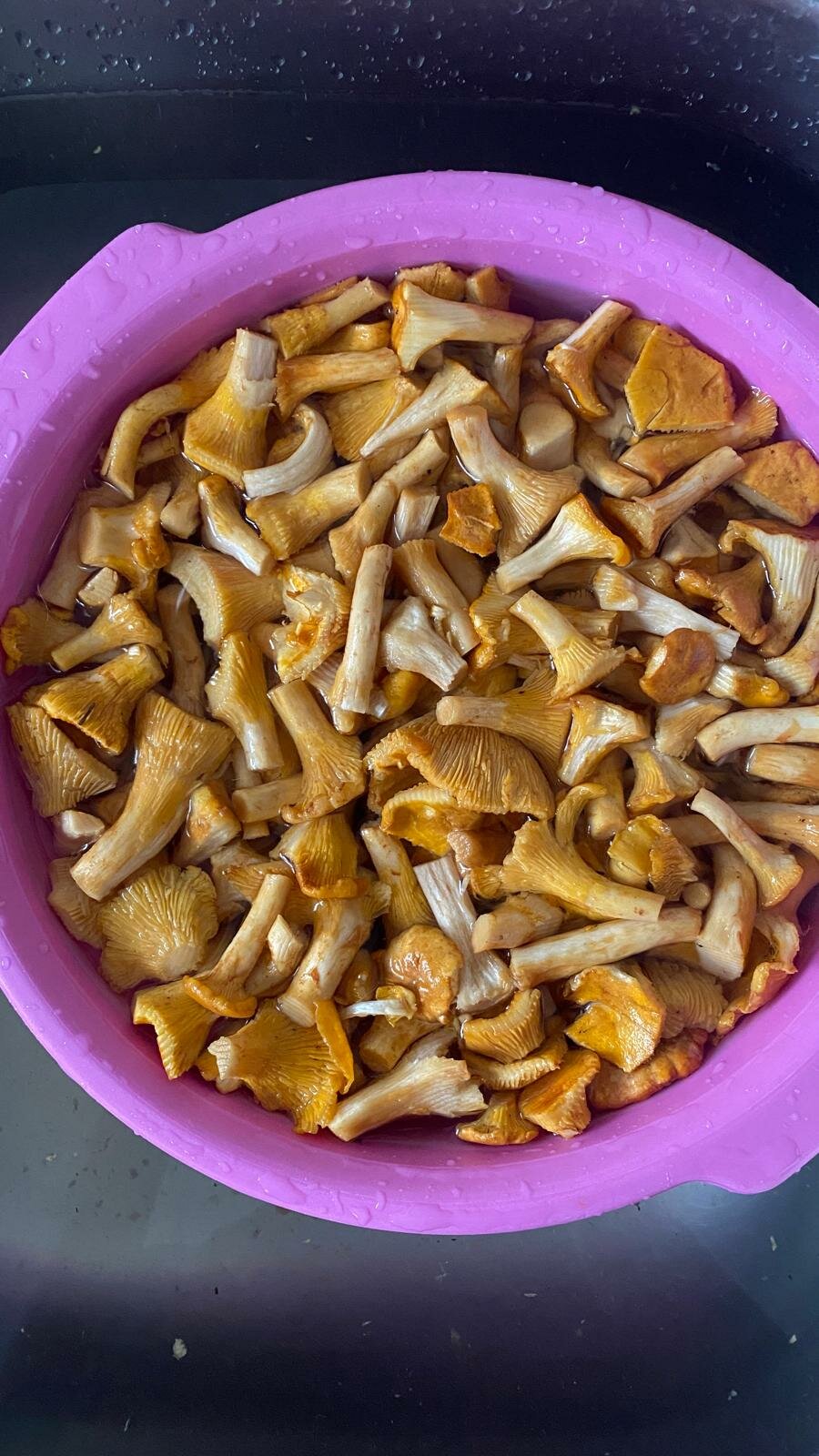
I strongly recommend cleaning them, washing them, cutting them as you like, and giving them a quick cook. About ten minutes is enough, then let them cool and freeze them.
We recommend using either airtight bags or aluminum trays that allow for easy portioning based on your family size, or using paper drink cups.
Porcini mushrooms that are already cooked and sautéed will be much more convenient to use, will take up less space, and won't release aroma throughout the freezer.
When using them, we recommend not thawing them but putting them directly into the pot while still frozen and finishing the cooking (this is why I strongly advise against using glasses, jars, or glass containers)
REMEMBER: our home freezer is not a blast chiller; fresh products placed in a freezer will generally take up to 2 days to freeze completely, and fresh mushrooms, being delicate, will particularly suffer during this time.
5. Does the presence of worms mean the mushroom is poorly preserved or old?
Absolutely NOT, but we will have the opportunity to discuss this in more detail later.

NEVER VACUUM SEALED
Fresh mushrooms suffer a lot from this preservation method.
In practice, mushrooms continue to breathe even after being picked and tend to create condensation. That particular preservation method is especially harmful for storing fresh mushrooms, so NO, AVOID IT!
Mushrooms can be vacuum sealed, logically for space reasons, only after cooking and especially for the phases related to freezer storage.