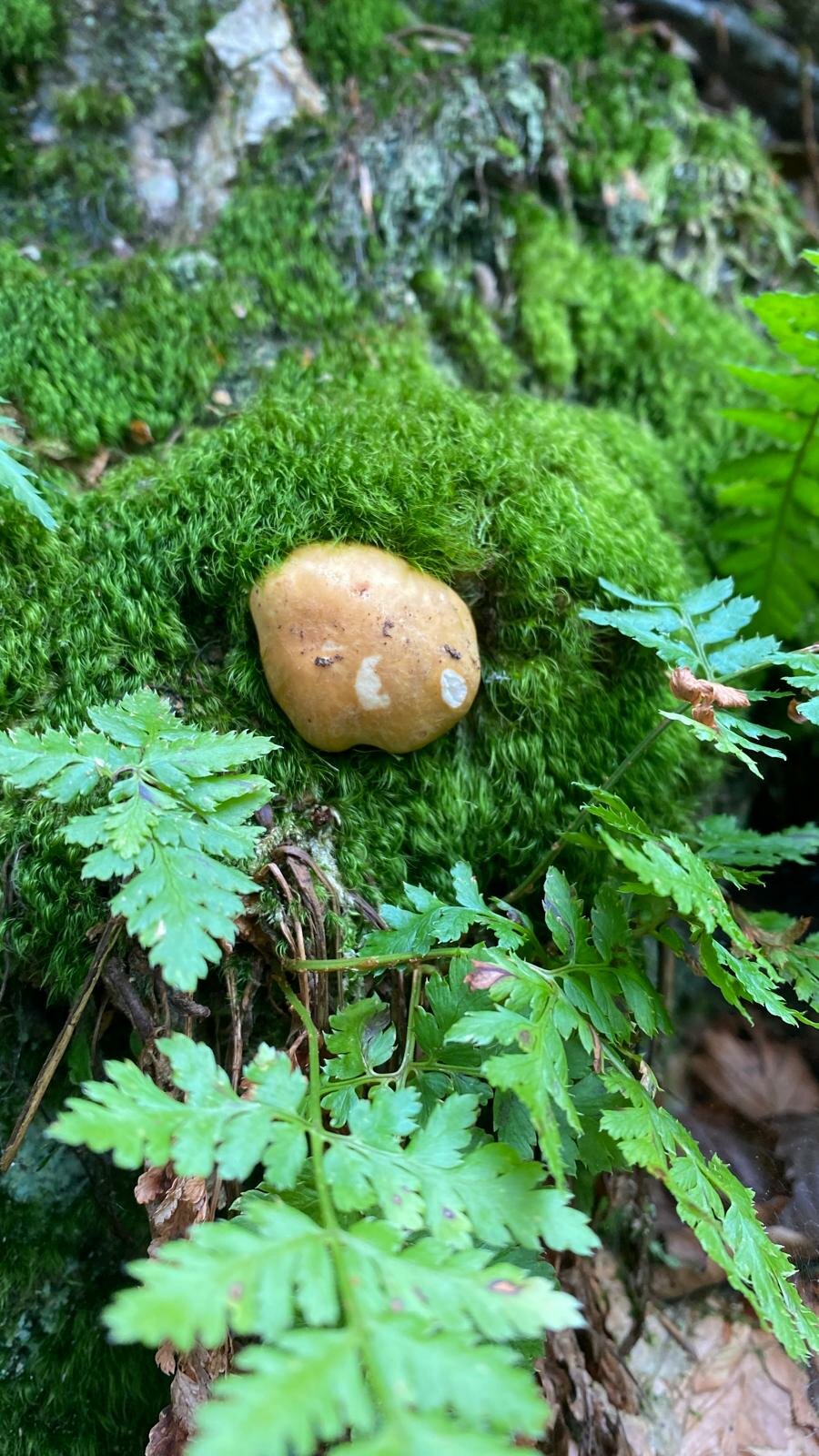
A simple question, an answer we have known since childhood.
We all remember that elementary school lesson where the teacher explained to us that living beings are divided into two main categories: animals and plants.
Then, with a touch of surprise, she introduced us to a third, lesser-known but equally important category: fungi.
Fungi, or mycetes, in fact, belong neither to the animal kingdom nor to the plant kingdom. From the point of view of biological classification, they form a kingdom of their own. This distinction reflects their unique characteristics, which make them different from both plants and animals.
The origin of the term “fungus” is also interesting, as it derives from the Latin fungus, in turn connected to the Greek sphóggos, which means fungus or sponge.
And it is precisely from Greece that we begin: Theophrastus, a disciple of Aristotle and considered the father of botany, was the first to attempt a classification of fungi.
He described them as imperfect plants, lacking roots, leaves, flowers, and fruits.
Fungi: more similar to animals or plants?
At first glance, fungi look like plants. They grow in the ground, they don't move, they have a "natural" appearance, almost grassy. However, if we look at them closely, we notice that they behave much more like animals.
What are the differences?
A fundamental difference concerns the way they feed: fungi are heterotrophic, just like animals. This means that they are not able to produce their own food, but must absorb organic substances from other living beings or from decomposing matter, which is why they are called the "cleaners of the forest".
On the contrary, plants are autotrophic: through photosynthesis, they transform carbon dioxide, water, and sunlight into sugars and other nutrients. They are therefore able to survive independently without depending on other organisms.
Yet, in other respects, fungi closely resemble plants.
They have structures similar to those of plants:
- they are immobile,
- they are in fact a fruiting body and
- the mycelium resembles a root system typical of a tree,
- they grow in the soil and,
- from a nutritional point of view, they share some characteristics with fruits and vegetables as they are composed of about 90% water, have very little fat and calories, but are rich in fiber, vitamins, and minerals.
So in conclusion??
Fungi are unique organisms, halfway between animals and plants.
- Like animals, they are heterotrophic, the cell walls of the fruiting body are made of chitin, a substance also found in the shells of insects. Their metabolism, that is, the way they live and feed, also resembles that of animals more closely.
- Like plants, they grow anchored to the ground, have a "natural" appearance, and share some nutritional properties with them.
It is precisely this fascinating ambiguity that makes them so special in the kingdom of nature.